
How Older Adults Learn Technology
Understanding who older adults turn to for help with digital technology
Foundational research | 2019
This early Shaping Connections research explored how older adults learn about digital technology and who they turn to for support.
Beginning with a 2019 survey of more than 850 members of Life Activities Clubs Victoria (LACVI), the research examined technology use, confidence and the people and resources that influence how older adults learn. The findings helped shape subsequent Shaping Connections research into digital inclusion and social connectedness.
Why this research matters
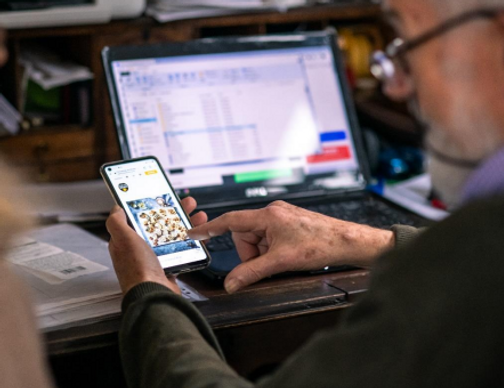
Learning to use technology doesn't happen in isolation. People often rely on family, friends, community organisations, professionals and online resources when they encounter unfamiliar devices or digital services.
This research explored which sources of support older adults use and how useful those sources are in building digital knowledge and confidence.
What are socialisation agents?
Researchers use the term socialisation agents to describe sources of information that influence people's knowledge, attitudes, motivations and behaviours. For older adults learning about technology, the research identified family, semi-formal education and the internet as important sources of support.
How the research was conducted
More than 850 LACVI members participated in the 2019 survey, which included questions about technology use and where participants sought help with technology.
The findings raised further questions about how and why older adults use different sources of support. With the support of U3A, researchers subsequently conducted group interviews exploring themes including the role of adult children, grandchildren and peers in technology learning.
What we learned
Why these findings were important
The findings showed that digital inclusion is about more than access to devices. Confidence, familiarity and access to trusted support also influence how older adults engage with technology.
These early findings prompted further research into how relationships and social networks shape technology use, learning and social connectedness among older adults.

Building on this research
The findings from this early study helped shape subsequent Shaping Connections research into how technology, relationships and social networks influence digital inclusion and social connectedness among older adults.
